
Travel is rarely remembered only through landmarks or hotel stays. More often, it’s the taste of a dish, the aroma from a street stall, or a shared meal with locals that lingers longest. Food shapes how travelers connect with a destination, turning places on a map into lived, sensory memories.
From humble snacks to ceremonial feasts, cuisine plays a central role in how journeys are experienced and remembered.
Food as a Gateway to Local Culture
Food reflects history, geography, and tradition in ways few other experiences can. Ingredients, cooking methods, and dining customs tell stories shaped over generations.
Through local cuisine, travelers gain insight into:
- Regional climate and agriculture
- Historical trade routes and influences
- Religious and cultural practices
- Social values and family traditions
Eating local food isn’t just nourishment—it’s cultural participation.
The Emotional Power of Taste While Traveling
Taste is closely tied to memory and emotion. A single bite can transport someone back to a moment, a place, or even a conversation shared at a table abroad.
Food enhances travel by:
- Creating strong emotional associations
- Anchoring memories more vividly than visuals alone
- Offering comfort or excitement in unfamiliar places
- Encouraging mindfulness through sensory engagement
These emotional connections often define how travelers describe their trips long after returning home.
Street Food and Authentic Experiences
Street food offers one of the most direct connections to everyday local life. It’s affordable, accessible, and deeply rooted in tradition.
Why travelers gravitate toward street food:
- Prepared using time-tested recipes
- Reflects daily eating habits of locals
- Encourages spontaneous exploration
- Often cooked in open, social environments
For many destinations, street food isn’t an alternative—it’s the heart of the culinary identity.
Food Markets as Cultural Hubs
Local markets are living ecosystems where food, community, and commerce intersect. Walking through them offers an unfiltered look at how people eat, shop, and socialize.
Markets allow travelers to:
- Discover native ingredients
- Observe local food rituals
- Engage with vendors and artisans
- Understand seasonal eating patterns
These spaces often reveal more about a destination than museums or guided tours.
How Cuisine Shapes Travel Itineraries
Food increasingly influences where people go and how they plan trips. Culinary curiosity now rivals sightseeing as a primary travel motivation.
Food-driven travel planning includes:
- Choosing destinations known for signature dishes
- Booking restaurants or food tours in advance
- Timing trips around food festivals or harvest seasons
- Exploring regions specifically for culinary heritage
For many travelers, meals are no longer secondary—they’re the main event.
Shared Meals and Human Connection
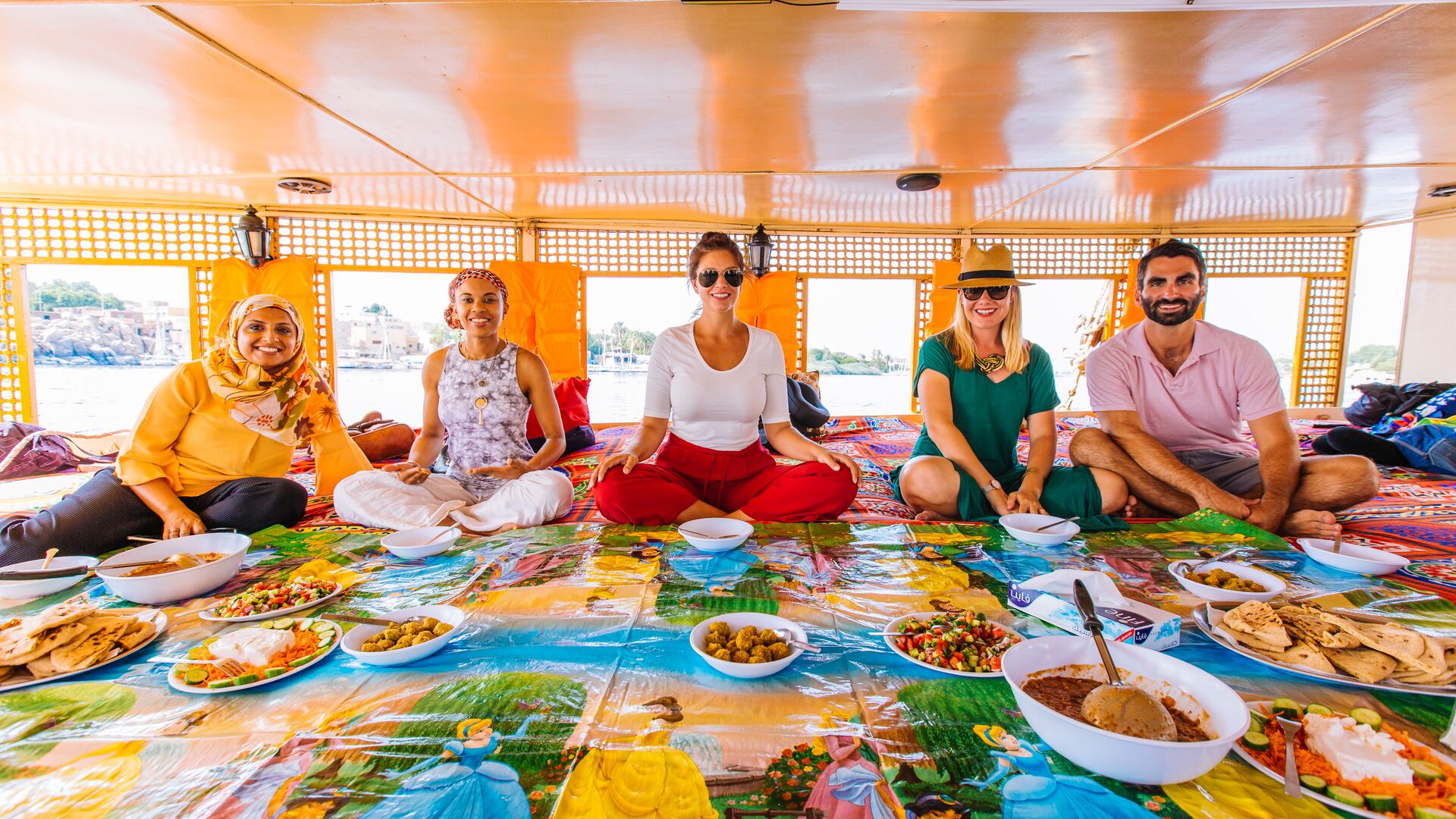
Food naturally brings people together. Shared meals break down language barriers and create moments of genuine connection between travelers and locals.
Dining together encourages:
- Cultural exchange through conversation
- Mutual curiosity and respect
- Informal learning about customs and etiquette
- A sense of belonging, even briefly
These interactions often become the most meaningful parts of a journey.
Food as a Reflection of Place
Every destination has flavors that cannot be replicated elsewhere. Soil, climate, water, and tradition shape dishes in subtle but important ways.
This sense of place is expressed through:
- Region-specific spices and herbs
- Traditional cooking techniques
- Locally sourced ingredients
- Seasonal menus tied to the land
Food becomes a direct expression of geography and identity.
Frequently Asked Questions
Why is food such a powerful part of travel memories?
Taste and smell are strongly linked to memory, making food experiences more emotionally vivid and long-lasting.
Can food help travelers understand local traditions?
Yes. Many customs, celebrations, and daily routines are centered around food and shared meals.
Is food tourism only about fine dining?
Not at all. Street food, home cooking, and casual eateries often provide the most authentic experiences.
How does food influence travel satisfaction?
Enjoyable food experiences enhance overall trip satisfaction by adding comfort, excitement, and cultural depth.
Are food experiences important for solo travelers?
Very much so. Food offers opportunities for connection, observation, and immersion, even when traveling alone.
How can travelers respectfully explore local cuisine?
By eating where locals eat, asking questions, and being open to unfamiliar flavors and customs.
Does food shape how travelers perceive a destination?
Yes. Positive food experiences often lead to stronger emotional connections and more favorable impressions of a place.
Food doesn’t just accompany travel—it defines it. Through flavors, rituals, and shared tables, cuisine transforms trips into meaningful stories that stay long after the journey ends.