
Introduction to Celebrities
Celebrities hold a unique place in modern culture, often serving as trendsetters, influencers, and icons of inspiration. Their presence stretches far beyond entertainment, influencing industries such as fashion, politics, sports, and even social change. The fascination with celebrities has existed for centuries, but the digital age has amplified their visibility and impact like never before. In fact, today, the world’s obsession with celebrities goes hand-in-hand with social media platforms, where fans get an unfiltered view into the lives of their favourite stars.
The concept of celebrity is more than just fame; it is about influence, the ability to shape public opinion, and to capture attention globally.
The Evolution of Celebrity Culture
From Stage to Social Media
Historically, celebrity culture began with royalty and theatre performers. Writers, actors, and singers were admired for their talent, but they became household names thanks to print media and later radio, television, and cinema. Today, celebrities emerge not only from entertainment but also from business, activism, and digital platforms.
With the rise of social media, a new breed of celebrity has emerged. Influencers, YouTubers, and TikTok creators now command audiences comparable to Hollywood actors. This has democratised fame, making it more accessible and relatable.
Globalisation of Stardom
In the past, celebrities were often restricted to national borders. A film star in the UK, for example, may not have been recognised in Asia or America. Now, thanks to streaming platforms and international fanbases, celebrities can reach millions across the globe instantly.
The Impact of Celebrities on Society
Fashion and Lifestyle
Celebrities are closely tied to trends. The outfits they wear, the products they endorse, and the lifestyles they showcase often set the tone for consumer demand. Fashion houses and brands rely heavily on celebrities to market their products, knowing that public figures can transform an item into a global trend overnight.
Political and Social Influence
Celebrities often use their platforms to raise awareness about important causes. From climate change campaigns to mental health advocacy, their voices can amplify movements that might otherwise go unheard. Their opinions can sway public debates and encourage younger audiences to take political action.
Economic Contributions
The celebrity industry fuels billions in revenue across entertainment, sports, endorsements, and media. Concerts, film releases, and global tours generate employment opportunities and boost tourism, proving that celebrities are not only cultural figures but also economic powerhouses.
How Celebrities Maintain Their Status
Crafting a Public Image
Behind every celebrity lies a carefully crafted image. PR teams, stylists, and social media managers work to ensure consistency across appearances and platforms. This image becomes a brand that is as valuable as their actual talent.
Reinvention
Longevity in celebrity culture requires reinvention. Many stars shift careers from acting to producing, from singing to entrepreneurship. This adaptability helps them remain relevant in a constantly evolving industry.
Scandals and Resilience
Public scrutiny is an inevitable part of celebrity life. Scandals, controversies, and rumours can tarnish reputations, but resilience and effective crisis management often help them recover. Interestingly, some celebrities even emerge stronger after a scandal, as it humanises them to the public.
Types of Celebrities in the Modern Era
-
Actors and Musicians – Traditional celebrities who dominate entertainment industries.
-
Athletes – Sports icons who inspire global fanbases.
-
Influencers and Digital Creators – Rising stars of platforms like Instagram, YouTube, and TikTok.
-
Business Tycoons – Entrepreneurs who achieve fame through innovation and public exposure.
-
Activists and Public Figures – Those who gain recognition for social justice, charity, and public speaking.
The Psychology Behind Celebrity Obsession
Humans are naturally drawn to stories, and celebrities embody aspirational narratives. The desire to connect with celebrities stems from admiration, escapism, and sometimes identification with their struggles. Psychologists refer to this as parasocial relationships—one-sided emotional bonds formed by audiences with public figures.
Challenges of Being a Celebrity
Loss of Privacy
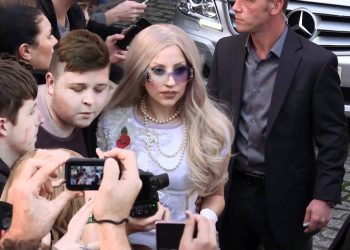
Fame comes with an immense loss of personal freedom. Constant media attention, paparazzi, and the pressure of always being “on display” can lead to stress and anxiety.
Mental Health Pressures
Many celebrities struggle with mental health issues due to the overwhelming scrutiny and expectations placed upon them. High-profile cases of burnout, depression, and even tragic losses have highlighted the importance of supporting mental well-being in celebrity culture.
Balancing Authenticity and Public Demand
While audiences demand authenticity, celebrities are expected to maintain polished images. Walking the fine line between being relatable and aspirational is one of their greatest challenges.
Future of Celebrity Culture
Celebrity culture is continuously evolving. In the future, we are likely to see:
-
More AI-driven avatars and digital celebrities gaining popularity.
-
A greater push towards authenticity, with fans preferring unfiltered content over curated perfection.
-
Global inclusivity, where celebrities from different cultures and backgrounds achieve international recognition.
The expansion of the digital world will only strengthen the role of celebrities in shaping societies, industries, and conversations.
FAQs About Celebrities
Q1: Do celebrities always need talent to become famous?
Not necessarily. While many celebrities achieve fame through talent, others gain attention through social media presence, unique personalities, or viral moments.
Q2: Why do people form emotional attachments to celebrities they have never met?
This is linked to parasocial relationships, where fans feel connected to a celebrity’s story, struggles, or personality, even though the bond is one-sided.
Q3: Are influencers considered real celebrities?
Yes, influencers are a modern form of celebrity. Their fame may be rooted in digital platforms, but their influence on consumer choices and culture is undeniable.
Q4: Can celebrity culture negatively impact society?
It can. Unrealistic standards of beauty, excessive materialism, and the glorification of unhealthy lifestyles sometimes influence young audiences. However, many celebrities use their platforms responsibly to promote positive change.
Q5: How do celebrities stay relevant in such a competitive industry?
They often reinvent themselves, diversify into different fields, and maintain active engagement with their audiences across multiple platforms.
Q6: What is the difference between being famous and being a celebrity?
Being famous means being widely known, while being a celebrity implies sustained influence, relevance, and the ability to shape culture and trends.