

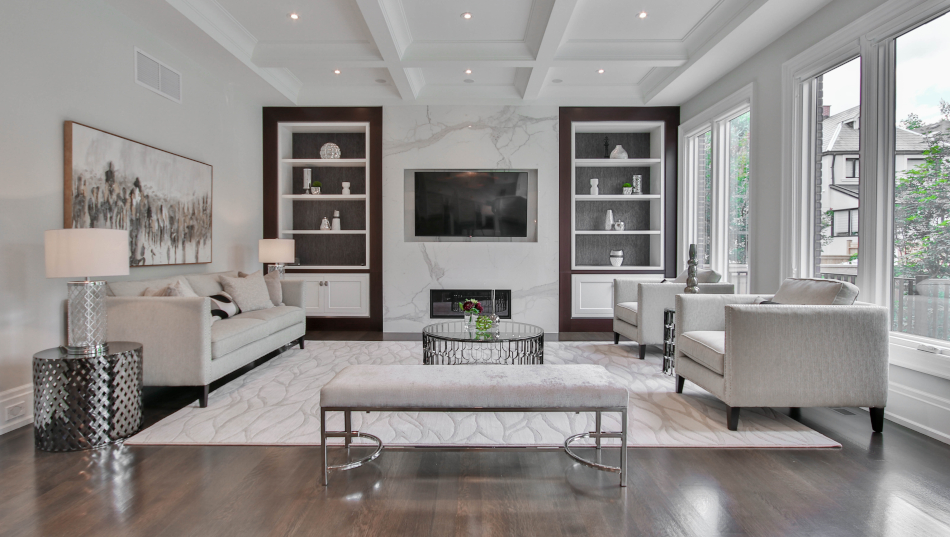
A home is far more than a physical structure. It is a place of comfort, security, and belonging. For many, the idea of home extends beyond bricks and mortar, shaping identity, nurturing relationships, and providing a sanctuary from the outside world. When people search for the meaning of home, they often discover a deeply personal journey that combines physical space, emotional connection, and lifestyle choices.
Using the keyword home naturally, this article explores the many facets of what makes a home truly special.
The Physical Foundation of Home
The first layer of home is its tangible structure. From modest apartments to countryside cottages, the space we live in creates the backdrop of daily life.
Elements of a Comfortable Living Space
-
Design and Layout: The flow of rooms affects how a household functions. Open-plan designs encourage interaction, while separate rooms offer privacy.
-
Location: Proximity to schools, workplaces, and essential services can shape lifestyle convenience.
-
Safety and Security: A safe neighbourhood and secure structure provide peace of mind.
-
Maintenance and Functionality: Homes that are well-kept reduce stress and foster pride.
While the physical features form the foundation, they are only one aspect of what defines a true home.
Emotional Meaning of Home
A home resonates on an emotional level. It is where memories are created and cherished.
Emotional Bonds
-
A Place of Belonging: Home provides acceptance, where people feel most themselves.
-
Memories and Traditions: Family meals, holiday celebrations, and quiet evenings all contribute to the emotional attachment.
-
Comfort and Refuge: After challenges in the outside world, returning home provides rest and recovery.
These emotional layers transform a house into something irreplaceable.
Home as a Reflection of Identity
Every home tells a story. How we decorate, arrange furniture, and select colours reflects personal style and individuality.
Personal Expression Through Space
-
Décor and Aesthetics: Artwork, colours, and textures reflect taste and creativity.
-
Cultural Heritage: Many people incorporate traditions or family heirlooms into their homes.
-
Lifestyle Choices: A minimalist interior signals simplicity, while a vibrant, eclectic style conveys energy and openness.
A home silently communicates values, personality, and life choices to both residents and visitors.
Home and Wellbeing
Living environments have a direct impact on physical and mental health. A cluttered, dark, or stressful home can negatively affect wellbeing, while an organised and nurturing space promotes peace of mind.
How Home Affects Wellbeing
-
Natural Light and Ventilation: Bright, airy homes boost mood and health.
-
Cleanliness and Order: A tidy home fosters calmness and clarity.
-
Personal Space: Having areas for relaxation, work, and hobbies supports balance.
-
Connection to Nature: Gardens, balconies, or even indoor plants improve wellbeing.
A supportive home environment encourages healthier lifestyles and positive emotional states.
The Social Dimension of Home
Homes are also social hubs where relationships grow.
Building Relationships
-
Family Life: Homes nurture the bond between parents, children, and extended family.
-
Hospitality: Welcoming friends and guests strengthens community ties.
-
Shared Living: For many, housemates or partners turn a house into a shared journey.
Through interactions at home, people experience companionship and belonging.
Home in a Changing World
The meaning of home continues to evolve with modern lifestyles. Remote work, urbanisation, and global movement have redefined how people perceive and use their homes.
Modern Trends
-
Home Offices: Flexible work has made dedicated workspaces at home essential.
-
Smart Homes: Technology now integrates convenience, safety, and efficiency.
-
Sustainable Living: Energy efficiency, eco-friendly materials, and renewable systems are increasingly prioritised.
-
Global Mobility: For some, home is no longer a single place but multiple locations across the world.
Adapting homes to these new realities reflects broader societal changes.
Financial Aspects of Home
A home is often the largest financial investment individuals make. It serves as both shelter and a key financial asset.
Financial Considerations
-
Ownership vs Renting: Each carries benefits and challenges, from flexibility to long-term stability.
-
Value Appreciation: Homes often build wealth over time.
-
Costs of Maintenance: From utilities to renovations, ongoing expenses must be considered.
-
Insurance and Security: Protecting a home safeguards both financial and emotional investments.
Understanding these factors helps people make informed choices about where and how they live.
Creating a True Sense of Home
Making a space feel like home is a conscious process. It goes beyond physical decoration and includes emotional effort and lifestyle habits.
Tips for Creating a Homely Atmosphere
-
Personalise Your Space: Use meaningful objects, photos, and décor.
-
Create Comfort: Invest in cosy furniture, soft lighting, and welcoming textures.
-
Prioritise Organisation: Decluttering enhances relaxation.
-
Foster Routine: Daily rituals and traditions strengthen connection to a space.
-
Embrace Flexibility: Allow your home to adapt as your needs change.
A home is not static; it evolves with its residents.
FAQs About Home
What makes a house feel like a home?
A house becomes a home when it reflects personal identity, offers comfort, and holds emotional connections. It is not defined by size or luxury but by the sense of belonging it provides.
How does home influence mental health?
A calm, organised, and safe home supports mental wellbeing by reducing stress and creating a stable environment. Exposure to natural light, greenery, and personal space also contributes positively.
Can a rented place feel like home?
Yes, even rented spaces can feel like home with personal touches such as décor, routines, and meaningful possessions that create familiarity and comfort.
Why do people say “home is where the heart is”?
This phrase highlights that home is more about emotional connection and loved ones than the physical structure. Wherever meaningful relationships exist, a sense of home can be found.
How can small spaces feel more homely?
Small spaces benefit from smart storage, multi-purpose furniture, and personal details like artwork and lighting. Maximising every corner with warmth and creativity makes compact living inviting.