

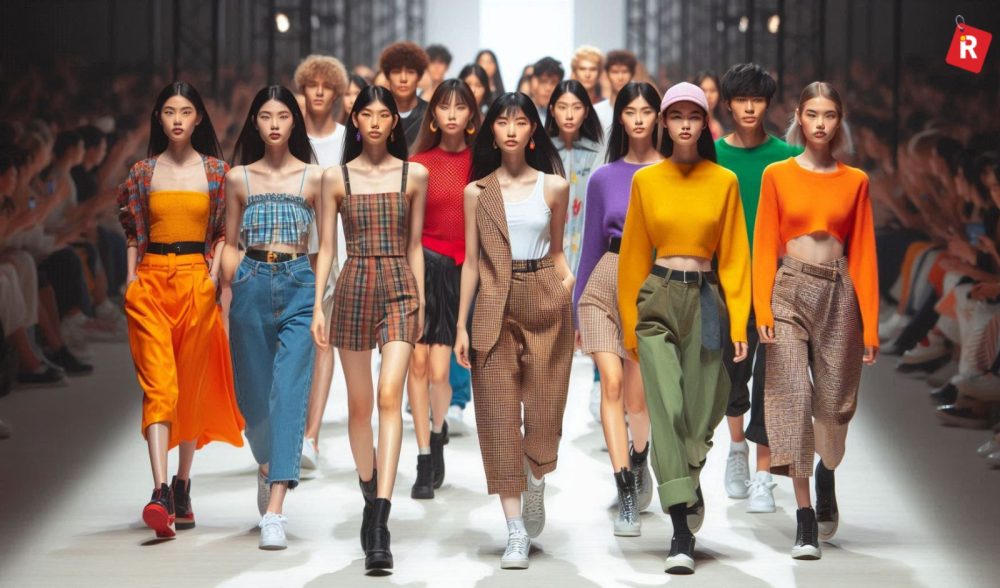
Introduction to Fashion
Fashion is far more than fabric stitched together; it is an expression of culture, identity, and history. The industry is a living canvas where designers, consumers, and society at large communicate through clothing and style. Whether seen on the high streets of London or the catwalks of Paris, fashion is a reflection of our values, aspirations, and individuality. From timeless classics to daring innovations, it continuously shapes how we present ourselves to the world. In this article, we explore the multi-layered facets of fashion, its influence, and its future.
The History and Roots of Fashion
Fashion’s roots run deep, stretching back thousands of years. Early clothing was about survival, offering protection from weather and environment. Over time, it transformed into a means of communication and status.
-
Ancient Civilisations: Egyptians used linen to reflect social rank, while Romans showcased wealth with togas made of fine wool and silk.
-
The Middle Ages: Clothing became a way to define class. Sumptuary laws even restricted certain fabrics and colours to royalty and nobility.
-
The Renaissance: Embellished garments, rich fabrics, and fine tailoring marked an age of creativity, mirroring the flourishing arts.
Each era brought new influences, showing how fashion intertwines with politics, economy, and cultural shifts.
The Role of Fashion in Modern Society
Today, fashion is more accessible than ever, but it retains its power as a cultural force.
Identity and Self-Expression
Clothing is a language in itself. Whether it’s a bold print dress or a minimalist suit, our choices reveal personality and intent. For many, fashion is empowerment, a way to showcase individuality.
Fashion as a Social Mirror
Trends often mirror societal changes. The rise of streetwear highlighted a blend of casual comfort and urban culture, while sustainable fashion movements reflect a growing concern for the planet.
Economic Impact
Fashion contributes significantly to global economies. The UK’s fashion industry alone supports hundreds of thousands of jobs, from design and manufacturing to retail and marketing.
High Fashion vs Street Fashion
Fashion is not a single entity but a spectrum.
-
High Fashion (Haute Couture): Characterised by exclusivity, craftsmanship, and innovation, haute couture is the epitome of artistry. Runway shows set trends that trickle down into mainstream markets.
-
Street Fashion: Rooted in everyday life, street fashion represents authenticity and subculture. Influenced by music, sports, and urban environments, it often inspires high fashion collections.
The interplay between these two realms shows how boundaries in style are increasingly blurred.
Sustainable Fashion: The Growing Movement
One of the most influential conversations in fashion today is sustainability. Consumers and brands are recognising the environmental toll of fast fashion, pushing for change.
Key Elements of Sustainable Fashion
-
Eco-friendly materials such as organic cotton, hemp, and recycled fabrics
-
Ethical manufacturing ensuring fair wages and safe working conditions
-
Circular fashion promoting recycling, upcycling, and slow fashion
This movement highlights the shift from disposable trends to conscious consumption.
The Digital Age and Fashion
Technology has revolutionised the way fashion is created, consumed, and shared.
Online Shopping and Accessibility
E-commerce platforms allow consumers to access global fashion without stepping outside their homes. This accessibility has expanded choice and reshaped retail landscapes.
Social Media and Influencers
Platforms like Instagram and TikTok have turned fashion into a digital showcase. Influencers and bloggers now rival traditional fashion magazines in setting trends.
Virtual Fashion and Innovation
From digital fashion shows to virtual try-on apps, technology is reshaping the industry. The rise of virtual fashion also points towards reduced waste and limitless creativity.
The Role of Fashion Capitals
Certain cities hold unique influence over global fashion.
-
London: Known for creativity and risk-taking, London blends heritage with innovation.
-
Paris: The birthplace of haute couture, it remains synonymous with elegance.
-
Milan: Celebrated for luxury, craftsmanship, and bold Italian flair.
-
New York: A hub for ready-to-wear fashion, merging business and creativity.
These cities act as trendsetters, hosting fashion weeks that attract worldwide attention.
Fashion and Gender
Fashion has long reflected gender roles, but today’s scene embraces fluidity.
-
Breaking Gender Norms: Designers now blur lines between men’s and women’s wear.
-
Unisex and Androgynous Fashion: Clothing designed without traditional gender labels is gaining popularity.
-
Empowerment through Dress: Fashion empowers individuals to challenge stereotypes and redefine identity.
Fashion and Culture
Fashion is deeply tied to culture, carrying symbolic meanings and traditions.
-
Ethnic Fashion: Traditional garments such as saris, kimonos, and kilts showcase cultural heritage.
-
Fusion Styles: Globalisation has led to hybrid styles, blending cultural influences into unique looks.
-
Cultural Appropriation vs Appreciation: Designers face the challenge of respecting cultural heritage while embracing inspiration.
Fashion in the Future
The future of fashion is expected to be more inclusive, sustainable, and tech-driven.
Key Predictions
-
Sustainability will dominate: Eco-conscious fashion will become the norm.
-
Tech integration: From AI-designed outfits to 3D-printed clothing, technology will drive innovation.
-
Personalisation: Consumers will demand more customised clothing experiences.
-
Inclusivity: Diversity in body types, genders, and cultures will increasingly define the industry.
FAQs About Fashion
What is the difference between fashion and style?
Fashion refers to current trends, while style is a personal expression. Fashion changes with time, but style remains unique to an individual.
Why is fashion important in everyday life?
Fashion influences confidence, social perception, and cultural belonging. It allows individuals to communicate identity without words.
What is fast fashion and why is it criticised?
Fast fashion refers to inexpensive, mass-produced clothing designed to follow current trends. It is criticised for environmental harm, poor labour conditions, and promoting wasteful consumption.
How can I shop more sustainably?
Opt for quality over quantity, choose brands that use eco-friendly practices, buy second-hand, and repurpose old clothing instead of discarding it.
Will digital fashion replace physical clothing?
While digital fashion may grow in gaming and online spaces, physical clothing will always hold cultural and functional importance. However, digital clothing may help reduce waste in the future.
How does culture influence fashion?
Culture influences fashion through traditions, heritage, and social values. Designers often take inspiration from cultural symbols, though this requires sensitivity to avoid appropriation.