

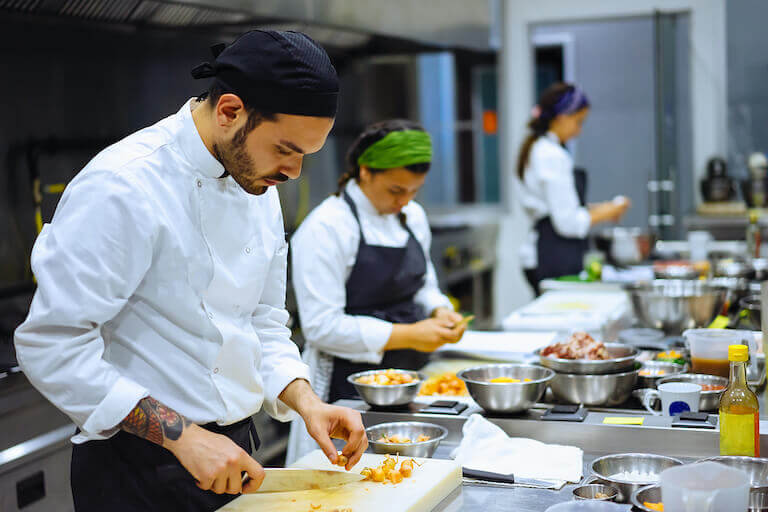
Introduction to the Culinary World
A chef is far more than someone who cooks meals. This role represents artistry, discipline, leadership, and an ability to turn simple ingredients into extraordinary dining experiences. From running a professional kitchen to creating innovative dishes, chefs influence how people experience food, culture, and even community. Whether in Michelin-starred restaurants, local eateries, or private households, chefs carry the responsibility of ensuring flavour, quality, and presentation meet the highest expectations.
What Defines a Chef
While anyone can cook, being a chef involves a combination of technical skills, creativity, and management ability. A chef is typically a trained professional with knowledge of culinary techniques, food safety standards, and kitchen organisation. Beyond preparing meals, chefs oversee menu planning, ingredient sourcing, and staff coordination.
Core Qualities of a Chef
-
Creativity: Transforming traditional recipes into unique culinary experiences
-
Discipline: Maintaining consistency and efficiency under pressure
-
Leadership: Guiding a team of cooks, sous chefs, and kitchen assistants
-
Attention to detail: Ensuring every dish leaves the kitchen at its best
The Path to Becoming a Chef
Chefs often start their journey with formal training, though many combine education with hands-on experience in restaurants.
Culinary Education
Many aspiring chefs attend culinary schools or colleges where they learn:
-
Knife techniques and food preparation skills
-
International cuisines and cooking methods
-
Nutrition and food safety regulations
-
Kitchen management and menu design
On-the-Job Experience
Practical training under experienced chefs is invaluable. Working as a line cook or commis chef teaches the realities of a fast-paced kitchen, from handling high-pressure service to collaborating with colleagues.
Responsibilities of a Chef
The duties of a chef extend well beyond cooking. They must balance creativity with responsibility, ensuring the kitchen operates smoothly.
Daily Tasks
-
Designing seasonal menus and daily specials
-
Managing stock and sourcing fresh, quality ingredients
-
Supervising food preparation and maintaining hygiene standards
-
Coordinating kitchen staff and delegating tasks
-
Maintaining relationships with suppliers
Leadership in the Kitchen
A chef sets the tone for the kitchen environment. They must foster teamwork, maintain order, and inspire staff to deliver excellence consistently.
Types of Chefs
The culinary hierarchy is structured, with each role contributing to the overall function of the kitchen.
Executive Chef (Head Chef)
Responsible for overall kitchen operations, menu planning, and leadership.
Sous Chef
Acts as the second-in-command, supervising staff and stepping in when the executive chef is unavailable.
Pastry Chef
Specialises in desserts, bread, and baked goods, requiring precision and creativity.
Line Cook and Commis Chef
Essential roles in preparing specific sections of the menu, often entry-level positions for aspiring chefs.
Skills Every Chef Must Master
Becoming a successful chef requires mastering a wide set of skills that combine practical ability with leadership qualities.
Culinary Skills
-
Perfecting sauces, stocks, and soups
-
Expertise in butchery, baking, and plating
-
Knowledge of international cuisines
Management Skills
-
Budgeting and controlling food costs
-
Scheduling and training staff
-
Handling customer feedback and ensuring satisfaction
Soft Skills
-
Patience and resilience under pressure
-
Strong communication and teamwork
-
Problem-solving in challenging kitchen scenarios
Challenges Faced by Chefs
The profession is rewarding but demanding. Chefs often work long hours, including evenings, weekends, and holidays. Stress is common during service periods, and physical stamina is essential to handle long shifts in hot, fast-paced environments. Despite these challenges, the fulfilment of creating memorable meals often outweighs the difficulties.
Innovation in Modern Cuisine
Today’s chefs embrace innovation, blending traditional methods with modern techniques. From molecular gastronomy to plant-based fine dining, chefs are at the forefront of food evolution. Sustainability is also central, with chefs sourcing local produce, reducing food waste, and designing eco-friendly menus.
The Impact of a Chef on Culture
Chefs are cultural ambassadors. Through their food, they introduce diners to new traditions, ingredients, and culinary experiences. In many cases, chefs shape food trends and influence what becomes popular globally, from sourdough bread to farm-to-table dining.
FAQs About Chefs
What is the difference between a cook and a chef?
A cook prepares meals, often following set recipes. A chef, however, designs menus, leads a team, and has formal training in advanced culinary skills and management.
Do chefs need formal training to succeed?
While culinary school provides a solid foundation, many chefs succeed through apprenticeships and practical experience in kitchens. Dedication and creativity often matter as much as formal qualifications.
How long does it take to become a professional chef?
It can take several years of training and experience. Culinary school may last two to four years, followed by years of practical experience before reaching a senior role.
Can a chef specialise in one cuisine?
Yes, many chefs focus on specific cuisines such as Italian, French, Japanese, or Indian. Specialisation allows them to refine techniques and become recognised experts in that culinary field.
What is the average working day like for a chef?
A chef’s day often begins with ordering supplies, checking ingredients, and preparing mise en place. Service hours are busy with cooking and plating, followed by cleaning and reviewing the day’s work.
How do chefs stay inspired?
Chefs find inspiration through travel, experimenting with seasonal produce, collaborating with other chefs, and adapting cultural influences into their own unique style.